
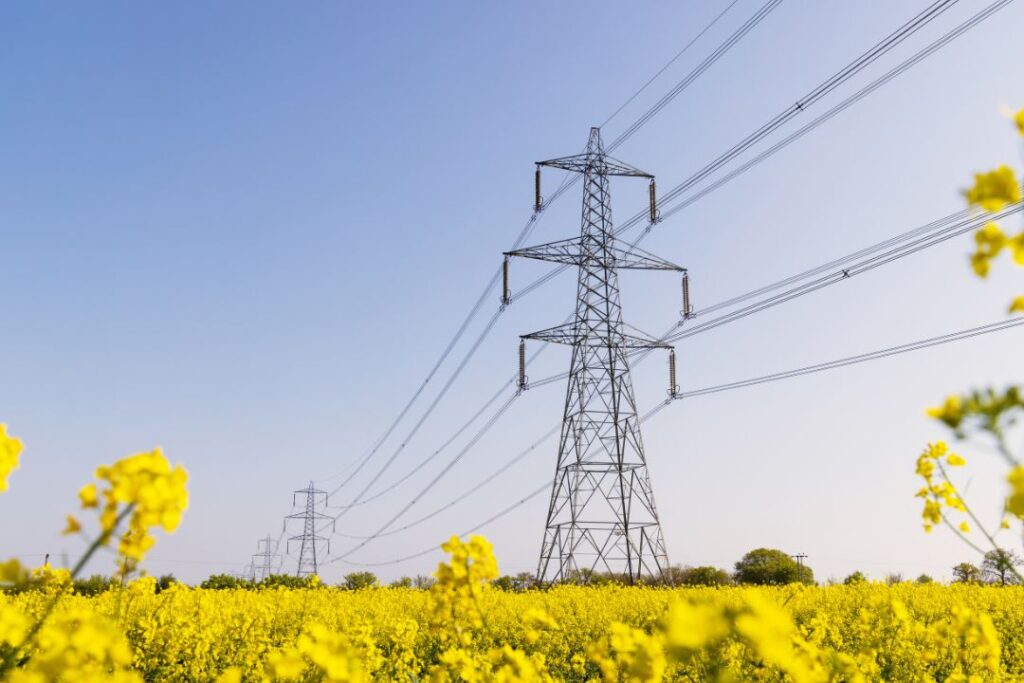
Utility grids across the country face more pressure than ever before. Rural communities now rely on stable electricity for homes, farms, and internet access every day. Families also use more appliances and electric heating systems than past generations did.
Stronger infrastructure helps utility providers meet rising demand without frequent service interruptions. Communities need updated infrastructure that can withstand heavy use and severe weather conditions. Let’s explore some of the reasons why utility grids need stronger infrastructure.
Weather Creates Bigger Risks for Utility Grids
Harsh weather now threatens electrical systems more often throughout the year. Ice storms, flooding, heavy rain, and strong winds place enormous strain on utility networks. Rural Pennsylvania residents understand how quickly downed lines can affect homes and farming operations. Stronger infrastructure reduces downtime and improves safety during dangerous weather events.
Utility companies now reinforce substations and replace outdated materials with stronger alternatives. Engineers also install modern monitoring systems that detect failures before major outages occur. These upgrades help crews respond faster when equipment problems appear in remote areas. Reliable service protects families during winter storms and summer heat waves alike.
Modern Energy Use Requires Smarter Systems
Electricity demand continues to rise because homes and businesses use more connected technology. Smart thermostats and remote work setups increase pressure on local utility systems daily. Discussions about power challenges for utility grids in 2026 already focus on rising demand and aging equipment concerns.
Modern grids also support renewable energy sources more effectively than older systems. Solar installations and battery storage systems require updated transmission equipment to operate efficiently. Many utility companies now invest in automation that balances energy flow during peak usage hours. Smarter systems reduce waste and improve reliability for rural and suburban communities.
Strong Materials Improve Long-Term Reliability
Infrastructure strength depends heavily on the quality of construction materials used in utility systems. Older wooden poles often weaken after years of exposure to moisture and temperature changes. Steel and composite materials offer greater durability and better resistance to storm damage. Stronger support structures also reduce maintenance costs over time.
Utility companies now focus on long-term performance instead of temporary repairs alone. Preventive maintenance programs identify weak components before they fail during critical situations. Reliable infrastructure helps emergency services and local businesses operate without disruption. Strong systems also protect refrigerated food supplies and essential medical equipment during outages.
Investments Benefit Communities and Families
Infrastructure upgrades create lasting benefits for local communities and working families. Reliable power supports economic growth and helps businesses maintain daily operations without costly interruptions. Stable electrical systems also improve communication during emergencies and severe weather conditions. Families gain peace of mind when dependable service protects their homes year-round.
Several improvements strengthen utility systems in practical ways:
- Reinforced transmission poles resist wind and storm damage better
- Underground power lines reduce exposure to falling trees
- Smart monitoring equipment detects failures faster
- Updated substations improve power distribution efficiency
- Backup systems support emergency response operations
Communities depend on strong utility grid infrastructure every single day; this is why they need to become stronger. Reliable power keeps homes warm, protects food supplies, and supports communication during emergencies. Utility providers must continue upgrading aging systems to meet modern demands safely and effectively. Stronger grids today will help protect families and rural communities for many years ahead.
