
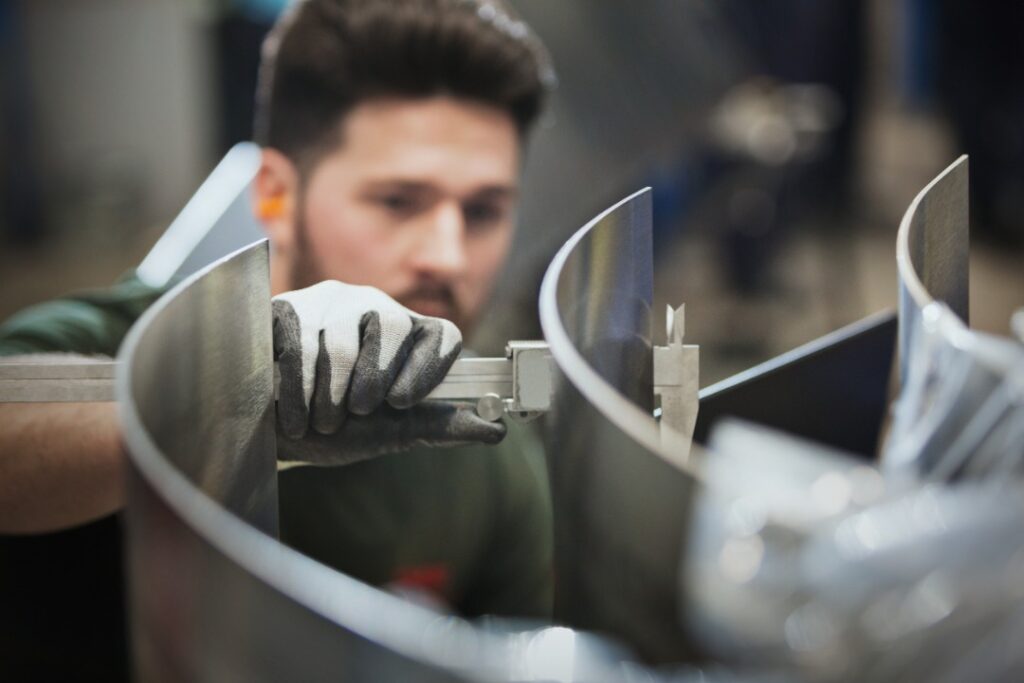
Manufacturing problems rarely begin with a dramatic failure. More often, they start with a small defect that goes unnoticed until it creates delays or equipment issues. If you understand the role of quality control in metal production, you can spot potential concerns. That attention to detail helps you produce dependable parts that perform as expected from the first run to the last.
Start With Raw Materials
You can’t produce reliable components if the material itself falls short of the required standard. Before production begins, you need confidence that the metal matches the intended grade and mechanical properties. That early verification creates a stronger foundation for everything that follows.
When you skip or rush this stage, small inconsistencies often carry through the entire manufacturing process. You may not notice those differences until welding or final assembly reveals problems that could’ve been prevented much earlier.
Verify Every Production Stage
As work moves through production, every operation deserves careful attention. Instead of waiting until the finished product reaches inspection, successful manufacturers check quality throughout each phase.
Accurate documentation supports those inspections because every material should match its required specifications before production continues. When you review inspection records, you gain a clearer picture of whether the material satisfies the standards your project demands. That extra level of verification helps maintain consistency throughout the manufacturing process.
Focus on Consistent Testing
Testing gives you valuable information that visual inspections alone can’t provide. Mechanical testing confirms whether a material performs as expected under real-world conditions, while chemical analysis verifies that the composition remains within specification. Together, those evaluations reduce uncertainty.
If you want quality control in metal production to produce reliable results, consistency matters just as much as the tests themselves. Following the same procedures every time allows you to compare results accurately and recognize unusual findings.
Keep Records That Matter
Documentation creates accountability throughout the manufacturing process. When you record measurements and test results, you build a clear history that helps trace materials from arrival through final production. That information also makes future troubleshooting much more efficient.
Several records often support an effective quality program:
- Material certifications confirming alloy specifications
- Inspection reports documenting production checkpoints
- Test results verifying mechanical performance
- Measurement records showing dimensional accuracy
- Traceability documents connecting materials to finished products
Build Improvement Into Production
Quality control shouldn’t end after a shipment leaves the facility. Every completed project creates an opportunity to improve future production by reviewing inspection results, identifying recurring concerns, and refining manufacturing practices. Small adjustments often produce meaningful improvements over time.
As you continue refining your process, you’ll build greater confidence in every stage of production. That commitment doesn’t just reduce defects; it also strengthens consistency and helps you deliver products that perform as intended whenever customers depend on them.
