
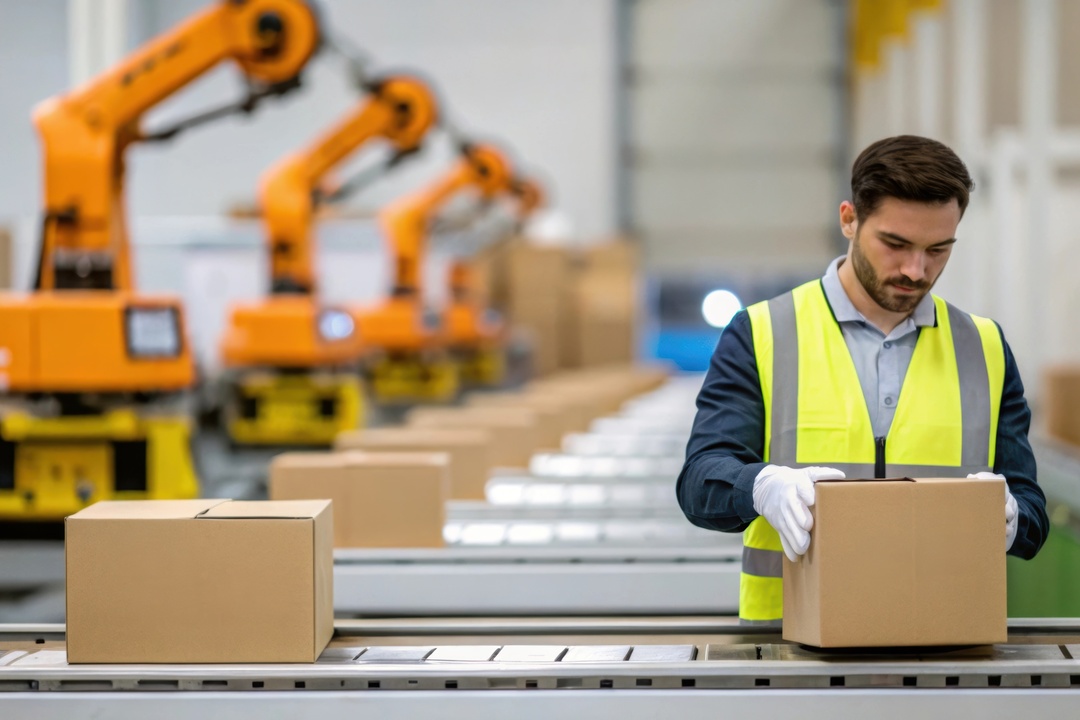
Safety stands as the cornerstone of any successful manufacturing operation. In the packaging industry, high speeds, heavy machinery, and repetitive motions create distinct risks that facility managers must manage carefully. Protecting your workforce requires more than just meeting basic compliance standards; it demands a proactive strategy that addresses potential hazards before they become incidents. Keep reading to understand how to improve safety on your packaging production line.
Strengthen Training and Maintenance Protocols
Education is key to building a safer work environment. Comprehensive training empowers employees to recognize hazards and operate machinery correctly, with every team member receiving thorough instruction before using specific equipment. Regular refresher courses are essential to keep safety top of mind and guarantee that staff stay up to date on new procedures and equipment changes. Ongoing training reinforces safe practices long after the initial onboarding phase.
Machine health is critical to worker safety. Malfunctioning equipment increases the risk of injury, making a strict maintenance schedule essential. Regular inspections of belts, guards, and sensors help prevent equipment failures and ensure proper operation. Managers should clearly define and enforce safety protocols, such as lockout/tagout and emergency stop procedures, to ensure everyone understands and follows them and maintains a safe workplace.
Leverage Technology and Automation
One of the most effective ways to improve safety on a packaging production line is through advanced technology and automation. Automated systems help ensure worker safety by eliminating physically fatiguing and repetitive tasks that are common culprits for workplace injuries. For instance, robotic arms can manage heavy lifting or palletizing, significantly reducing the risk of musculoskeletal strains.
Safety sensors add another layer of protection. Light curtains and pressure mats detect when an operator approaches a hazardous area and immediately halt the machine. These devices act as a fail-safe against human error or distraction.
However, technology requires care. You must inspect safety interlocks and sensors regularly to verify they work correctly. An updated system offers the best protection, so keep software and hardware up to date to leverage the latest safety features.
Build a Resilient Safety Culture
All the safeguards and protocols won’t matter much in a workplace without a strong and resilient cultural commitment to safety. Management must prioritize safety over speed or output, demonstrating that employee well-being matters most. When leadership takes safety seriously, employees do too.
Open communication channels encourage a safer workplace, as workers are much more likely to spot hazards long before managers do. You should create an environment where employees feel comfortable reporting safety concerns without fear of reprisal. A system that rewards staff for identifying risks or suggesting improvements fosters a sense of ownership. When the entire team watches out for one another, accidents become far less likely.
Commit to Continuous Improvement
Creating a safe packaging line is an ongoing process, not a one-time project. By investing in thorough training, maintaining equipment diligently, leveraging automation, and fostering a supportive culture, you significantly reduce the risk of accidents. A proactive approach protects your most valuable asset—your people—and keeps your production line running smoothly and efficiently for the long term.
