
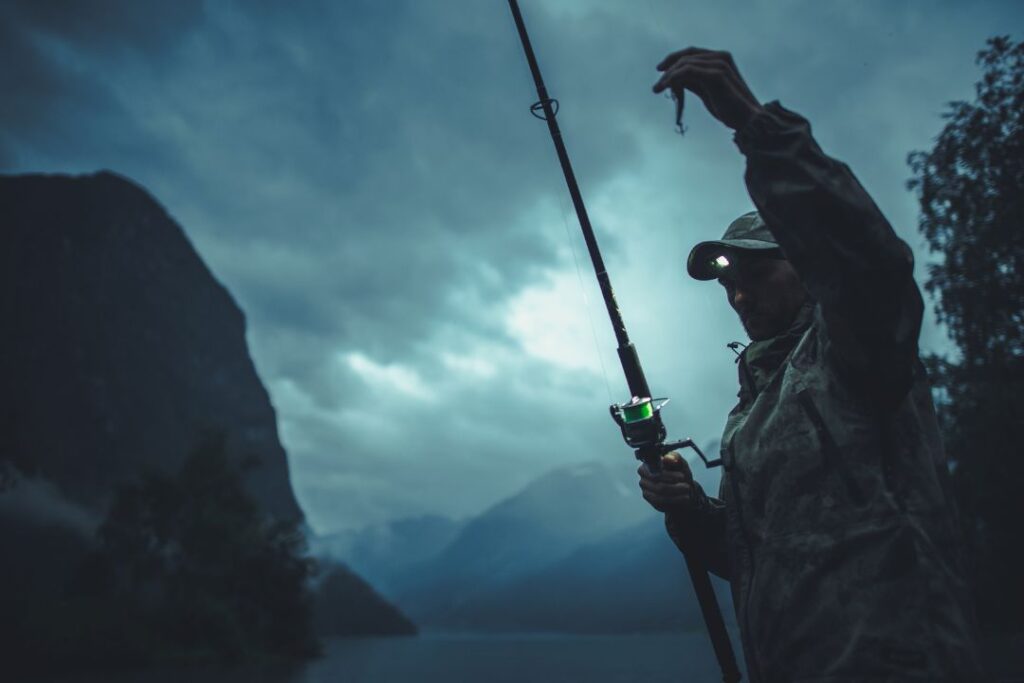
Night fishing has a special kind of calm, with quiet waters and the moon’s glow making every cast feel memorable. But heading out after dark also brings challenges like limited visibility, cooler temperatures, and the need for extra preparation. That’s why it’s important to know how to make night fishing safer and more enjoyable, whether you’re going alone or with family. A few simple habits can help you stay safe while making the most of your nighttime adventure.
Scout Your Location in Daylight
A fishing spot can look completely different in the dark. Before you plan a nighttime trip, visit the location during the day. Take note of any potential hazards, such as slippery rocks, steep drop-offs, or submerged obstacles. A daytime visit helps you create a mental map of the area to make it easier to navigate safely after the sun goes down.
Use Proper Lighting
Good lighting is essential for visibility. A quality headlamp is your most important tool, as it keeps your hands free to cast and manage your gear. It’s also wise to bring a backup flashlight or lantern. For attracting fish to your spot, using underwater green fishing lights can be very effective in drawing in baitfish and, in turn, the larger fish you want to catch. Plus, these lights reduce surface glare that you get from your headlamp and other boat lights.
Tell Someone Your Plan
Always let a friend or family member know where you are going and when you expect to return. Share your specific location and a timeline for your trip. This simple step is a critical safety measure. If you run into any trouble or don’t return on time, someone will know where to start looking for you.
Organize Your Gear
Fumbling for tackle in the dark can be frustrating and even dangerous. Before it gets dark, organize your gear so you know exactly where everything is. Prepare your rods, pre-tie rigs, and arrange your tackle box for easy access. A well-organized setup allows you to focus more on fishing and less on searching for equipment.
Dress for the Occasion
Temperatures can quickly drop after sunset, even on warm days. Dress in layers so you can adjust to the changing temperature throughout the night. It is also a good idea to wear non-slip, closed-toe shoes to protect your feet and provide stable footing. Packing a light rain jacket is smart, just in case the weather turns unexpectedly.
Night fishing can be one of the most rewarding ways to enjoy the outdoors, but it’s always better when safety and preparation come first. The key is knowing how to make night fishing safer and more enjoyable, so every trip leaves you with great memories.
