In many home renovations or remodels, projects require the running of pipes, wires, or ventilation ducts through solid concrete. This process, known as concrete coring, involves drilling precise circular holes through floors, walls, and ceilings. Some homeowners may want to save money by doing this work themselves.
However, concrete coring requires significantly more skill and precision than standard drilling. Our guide to DIY and professional coring concrete services will help you decide which option is right for you and your project.
The Reality of DIY Concrete Coring
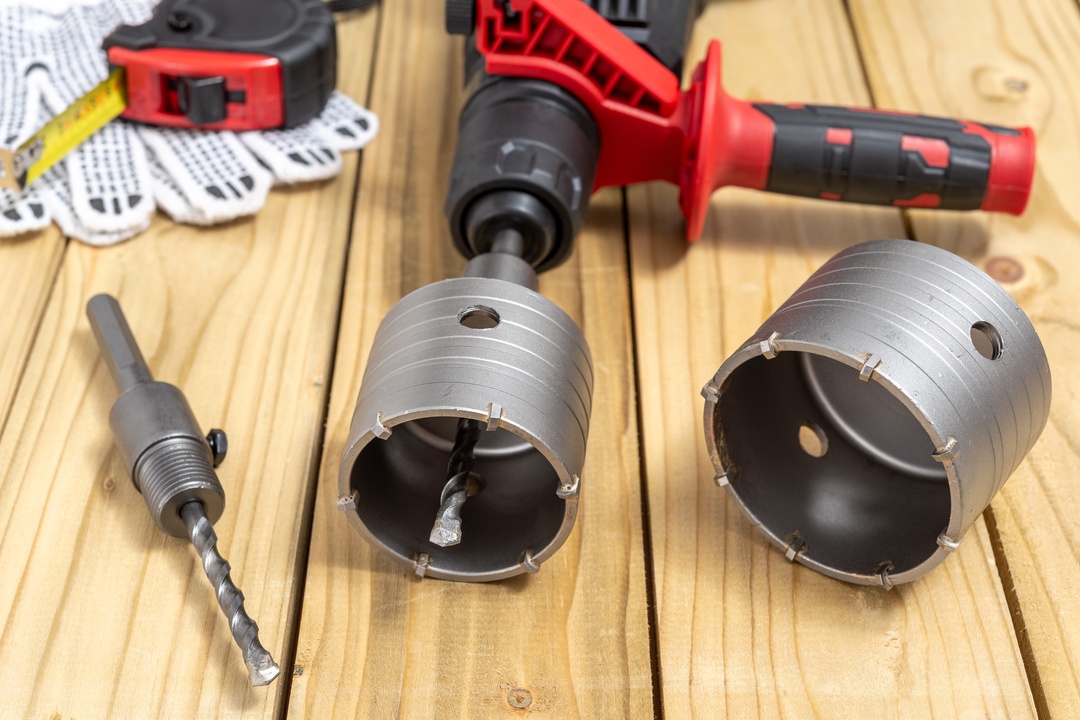
You need specific, heavy-duty equipment to successfully core concrete. A standard hammer drill lacks the power for large holes, so you will likely need to rent a core drill rig and purchase expensive diamond-tipped bits. The process starts by securely anchoring the drill stand to the surface to prevent wobbling, which can shatter the bit or injure the operator. You must also supply a continuous water stream to the drill site to keep the bit cool and suppress hazardous silica dust.
While DIY offers a sense of accomplishment, the risks remain high. Within the concrete could be electrical conduits, plumbing pipes, or rebar, which is why you need to scan concrete before coring. Striking a post-tension cable can snap it with explosive force, compromising the building’s structural integrity and causing severe injury.
The Benefits of Professional Services
Professional concrete cutting companies bring years of experience to the job site. They arrive with industrial-grade drills that cut through the toughest concrete with speed and accuracy. Professionals understand how different aggregates react to drilling and adjust their technique to prevent jamming or overheating.
One major advantage of hiring professionals involves their ability to scan the concrete before drilling. Most reputable services use Ground-Penetrating Radar (GPR) to map potential hazards below the surface. You should engage professional services for any project involving structural walls, large-diameter holes, or strict depth requirements.
Analyzing the True Costs
Now that we understand the pros and cons of DIY and professional services for coring concrete, which is right for you? The initial price tag of a DIY project typically looks lower than a professional quote. You pay for the daily rental fee and the wear on the diamond bit.
However, this calculation assumes everything goes perfectly. If the bit jams or breaks, you must buy a replacement. If you damage the concrete or hit a water line, the repair costs skyrocket immediately. Professional services are a fixed cost that covers labor, equipment, and insurance. While the upfront fee is higher, it protects you from the financial liability of accidents, equipment failure, or structural damage.
Making the Right Choice
Your decision ultimately depends on the scope of work and your comfort level with heavy machinery. For a single, small hole in a non-structural garden path, a rental might suffice. For any work involving your home’s foundation, walls, or utilities, the precision and safety of a professional service outweigh any potential cost savings. Investing in expertise means doing the job right the first time without endangering your property or your safety.
